




What does ISFJ Stand For?
ISFJ is an acronym for Introverted, Sensing, Feeling, and Judging. People with this personality type have strong work ethics. Independent and energised by their inner world, they keep a close eye on what's around them with sharp observation skills. Moved by their feelings, they sometimes decide based on what they feel in the moment, without weighing the consequences down the line.
Which MBTI is Compatible with ISFJ?
ISFJs build strong relationships with people who share their own traits. At work, they give others the space and time to find their footing. Humble, affectionate, and honest, they hold genuine feelings for others. Personalities like ESFP, ISFP, and ISTJ make lasting relationships with ISFJs — each pays close attention to detail and complements the others well, balancing out one another's weaknesses across every part of life.
Is ISFJ the Rarest Personality Type?
ISFJs are one of the more common personalities in the world. About 8.4% of the general population have an ISFJ personality type — 11.3% of women against 4.9% of men. They respect others' values and are quick to offer help to those in need, and many ISFJs go on to make a real impact on the people around them.
Are you ready to move beyond conventional coaching and unlock truly transformative executive performance? The Myers-Briggs Type Indicator (MBTI) is not just a personality assessment; it's a powerful framework for profound self-discovery. Stop guessing and start leading with certainty. Partner with a certified coach to integrate the MBTI into your executive development plan.
Why are ISFJs So Popular?
ISFJs tend to be organised and structured in their approach, planning things ahead of time and following through to achieve the result they want. Genuinely helpful and encouraging, they're not particularly extroverted, so they tend to avoid large social gatherings while holding close connections with small groups of people. Strong sensing makes them highly observant, and resolving conflict with an ISFJ is easy — they listen to other points of view and stay kind throughout the discussion. All in all, it's their dependability and reliability that makes them popular.
Key Traits of ISFJ Personality
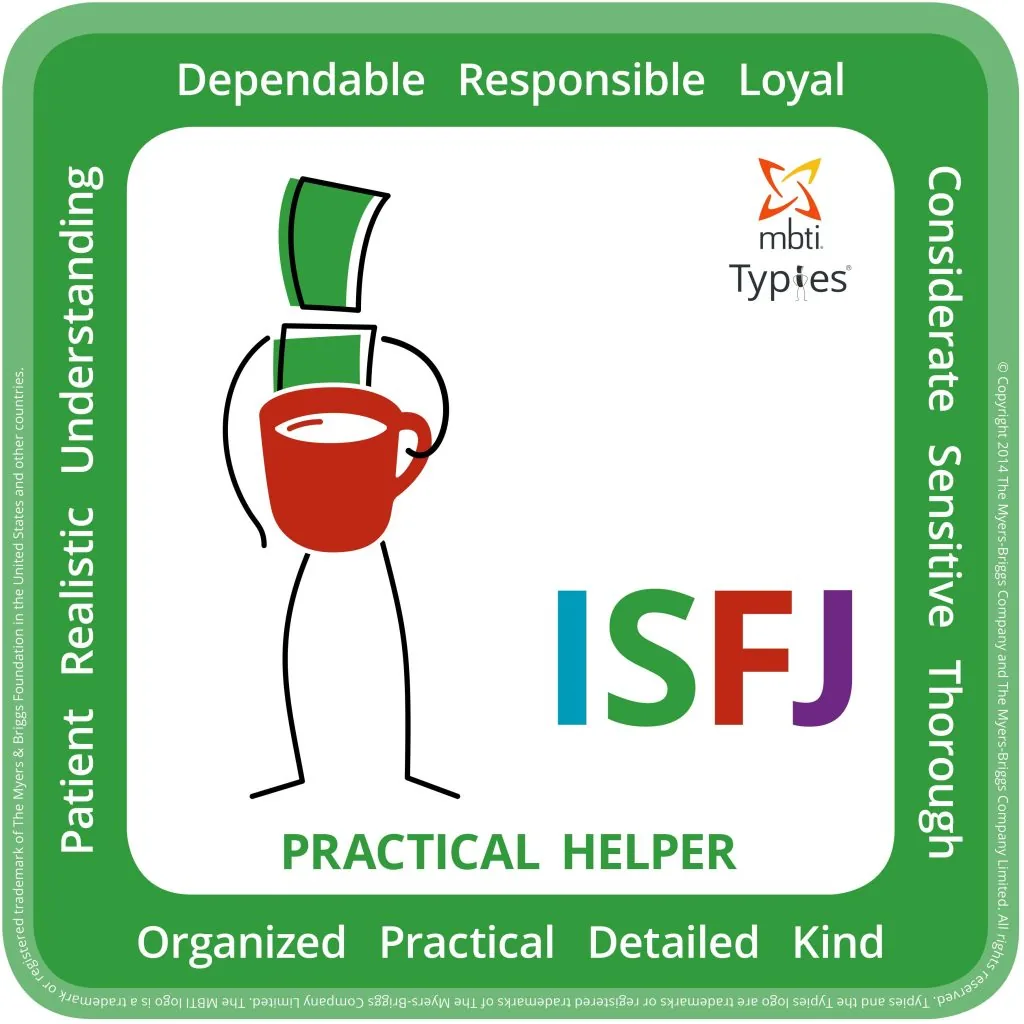
The ISFJ, or Defender, is most often reserved but warm and welcoming, capable of producing results independently. They value their own thoughts and prefer to remain in their self-created world. Here are the key traits that describe ISFJs best:
- Organised
- Compassionate
- Practical
- Loyal
Strengths of ISFJ Personalities
ISFJs are reserved and kind-hearted. As introverts, they need time alone to work through tasks or think through new ideas, though they can produce results independently and stay encouraging toward others. With a strong eye for detail, they notice small changes in their environment and value their own principles as much as those of the people around them. They prefer working through information in a structured way to avoid future inconvenience, and they're good at spotting practical solutions and sensing consequences ahead of time.
Weaknesses of ISFJ Personalities
ISFJs have blind spots too, which can dim their positive traits. As introverts, they can find it hard to speak their mind, often keeping their feelings to themselves and struggling to take a firm stand. Because they work independently so often, they can end up taking on more workload than they should. To keep the peace and maintain harmony, they typically avoid conflict and stay sensitive to criticism, and they tend to resist change in favour of a more traditional way of working.
Careers for ISFJ
ISFJs are supportive and ready to help everyone around them, and they tend to perform better in a scheduled environment. They feel energised working alone or in groups that share the same ambitions. Careers that fit their personality tend to leave them more content in their work — options like office manager, counsellor, social worker, accountant, and banker suit the ISFJ personality type well.
ISFJ Cognitive Functions: cognitive functions shape how people's personalities show up day to day. An ISFJ's personality reflects both a dominant and an auxiliary function, the two that usually stand out the most. Here's a closer look at each cognitive function behind the ISFJ:
Introverted Sensing: ISFJs' dominant function centres on detail. They hold vivid images of the future and strong memories of the past, both of which help them sense what's coming and make sharper decisions in the present.
Extraverted Feeling: ISFJs hold strong feelings for others and keep them front of mind, working to create social harmony. Kind, compassionate, and polite, they feel the need to support the people around them, offering help financially, physically, or emotionally, however it's needed.
Introverted Thinking: This tertiary function helps ISFJs understand their environment and how the world works around them. Highly organised, they love working in a consistent setting, looking for small patterns and thinking deeply to connect the dots and build a complete picture.
Extraverted Intuition: This inferior function is rarely visible in ISFJs. When it does surface, it lets them focus on the concrete facts and figures right in front of them, a shift from their usual habit of sensing a situation first and acting on it afterwards.
In a nutshell, every personality type offers its own distinctive view of life and the world. A test like the MBTI helps us discover these differences, understand each other better, and make the most of everyone's unique capabilities.
Other articles on 16 personalities
- ENFJ | Presentation of the Protagonist | MBTI Profile
- ENTJ | presentation of the Commander | MBTI profile
- ENTP | presentation of the Debater | MBTI profile
- ESFJ | presentation of the Consul | MBTI profile
- ESFP | Presentation of the Entertainer | MBTI profile
- ESTJ | presentation of the Executive | MBTI profile
- ESTP | Presentation of the Entrepreneur | MBTI profile
- INFJ | Presentation of the advocate | MBTI profile
- INFP | presentation of the Mediator | MBTI profile
- INTJ | presentation of the Architect | MBTI profile
- INTP | presentation of the Logician | MBTI profile
- ISFP | presentation of the Adventurer | MBTI profile
- ISTP | presentation of the Virtuoso | MBTI profile
- ISTJ | Presentation of the Logistician | MBTI profile
- ENFP | presentation of the Campaigner | MBTI profile
This article was written by Marc Prager.